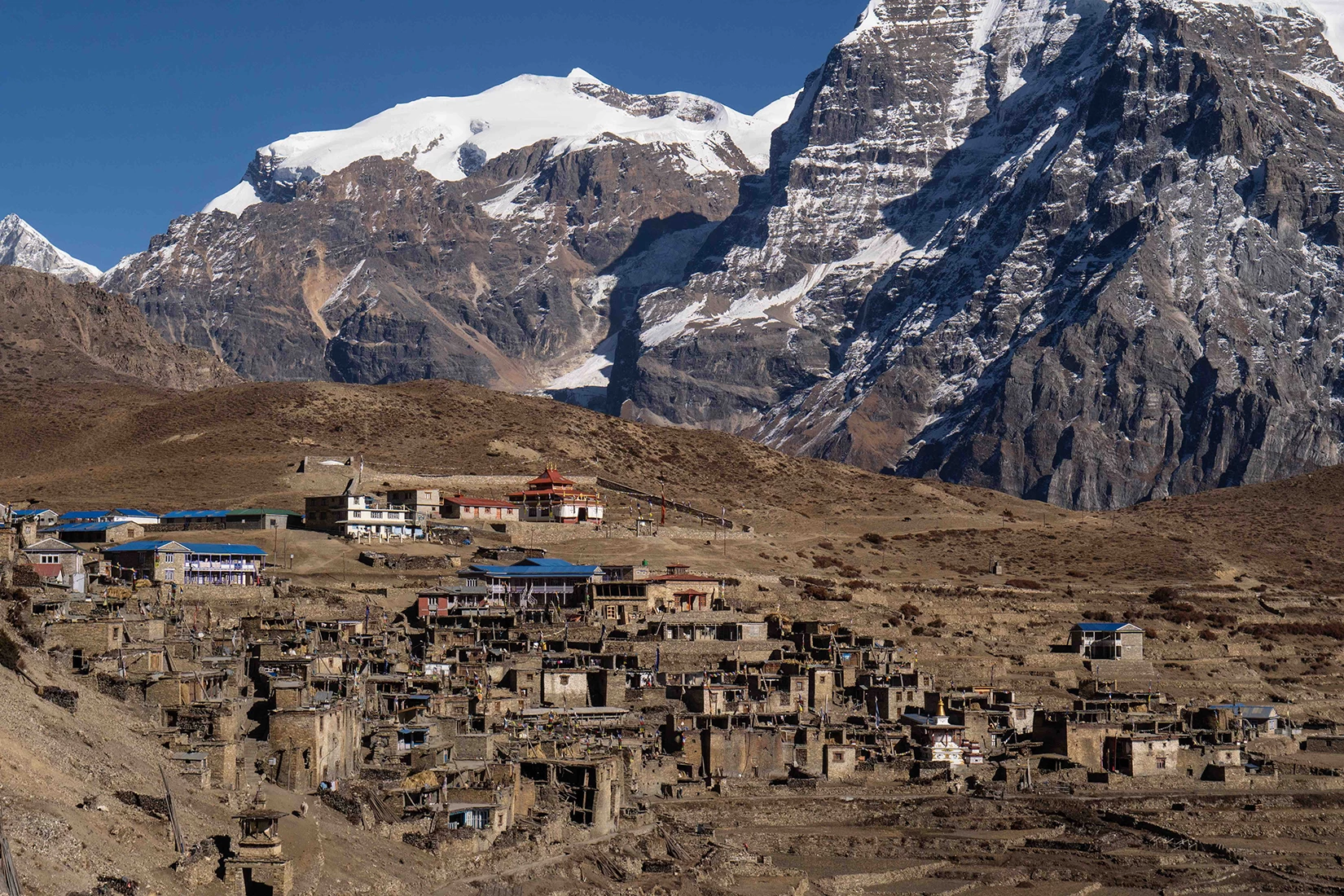
Tsum Valley Trek – The Hidden Jewel of the Manaslu Himalayas
Looking for a truly adventurous trek in one of the Himalayas’ most secluded regions? The Tsum Valley Trek in Nepal’s Manaslu region takes you deep into a hidden valley rich in Tibetan Buddhist culture, breathtaking landscapes, and centuries-old traditions.
 Certified
  Sustainable
  Best Price
  Challenge level
 Destination Destination
|
Nepal |
|---|---|
 Activity Activity
|
Trekking |
 Duration Duration
|
15 Days |
 Meals Meals
|
BLD during Trekking |
 Group size Group size
|
Minimum 2 |
 Max Altitude Max Altitude
|
3,700 m (Mu Gompa), 4200m (Ganesh Himal Base Camp ) |
 Trip Code Trip Code
|
1031 |
 Grade Grade
|
Strenuous |
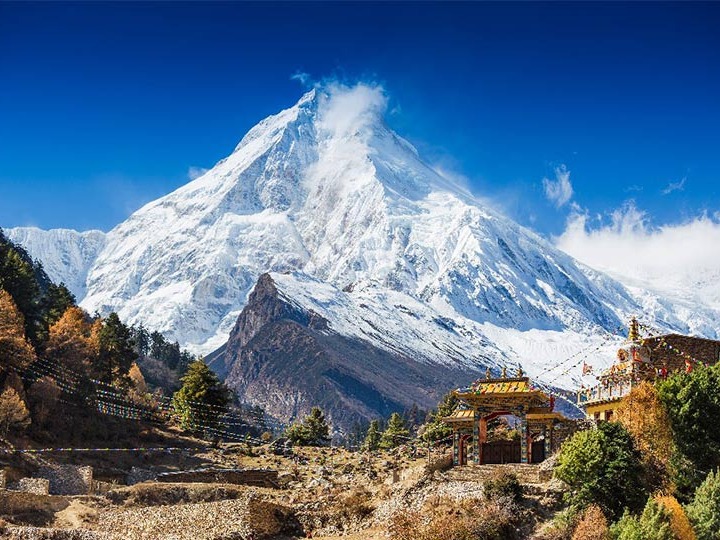
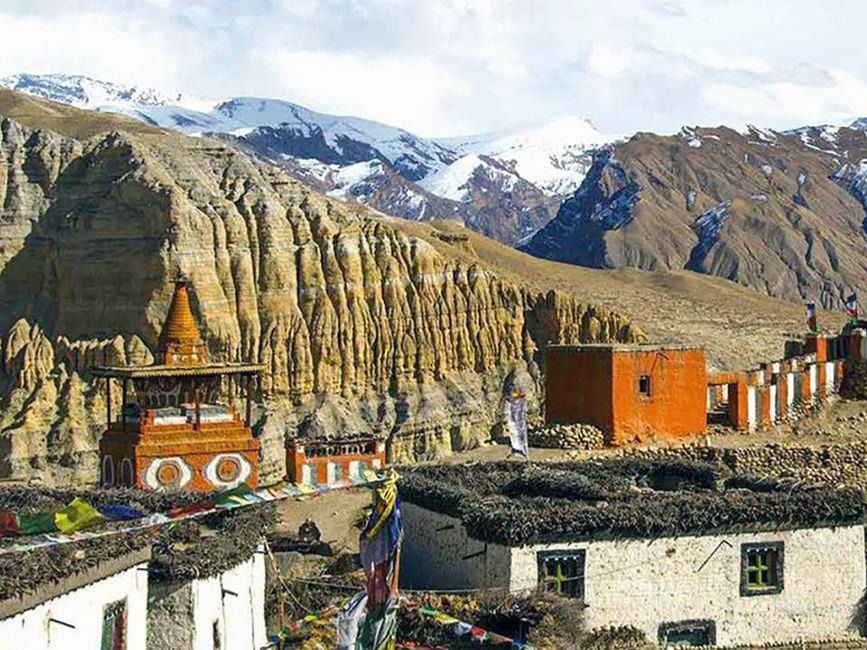
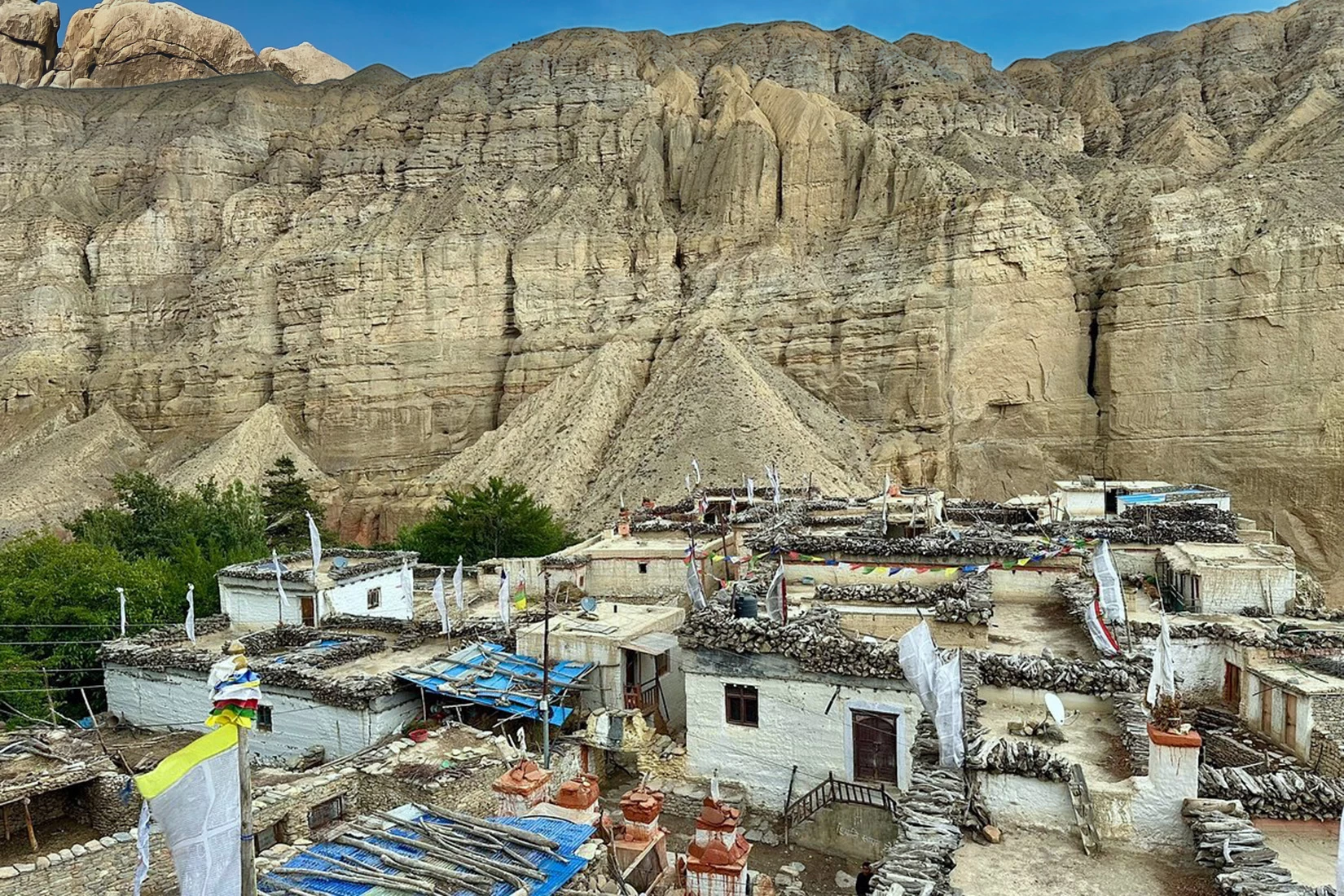
The Tsum Valley, famously known as the “Hidden Valley,” lies tucked between the towering peaks of the Manaslu Himalayas, sharing its northern border with Tibet. Shielded from the outside world for centuries, this remote valley only opened to trekkers in 2008, offering a rare opportunity to witness preserved Tibetan Buddhist traditions, unspoiled landscapes, and centuries-old monasteries untouched by mass tourism.
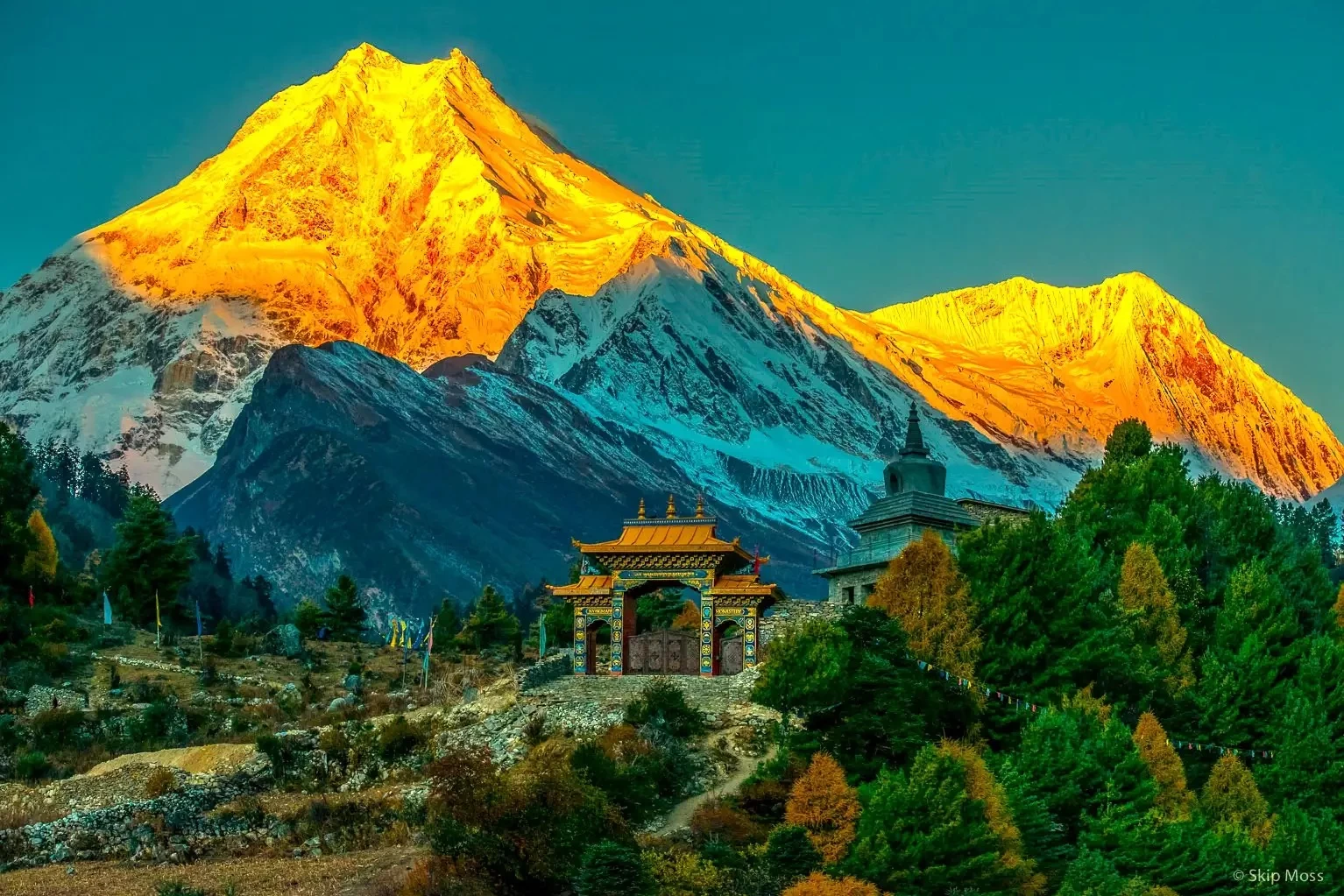
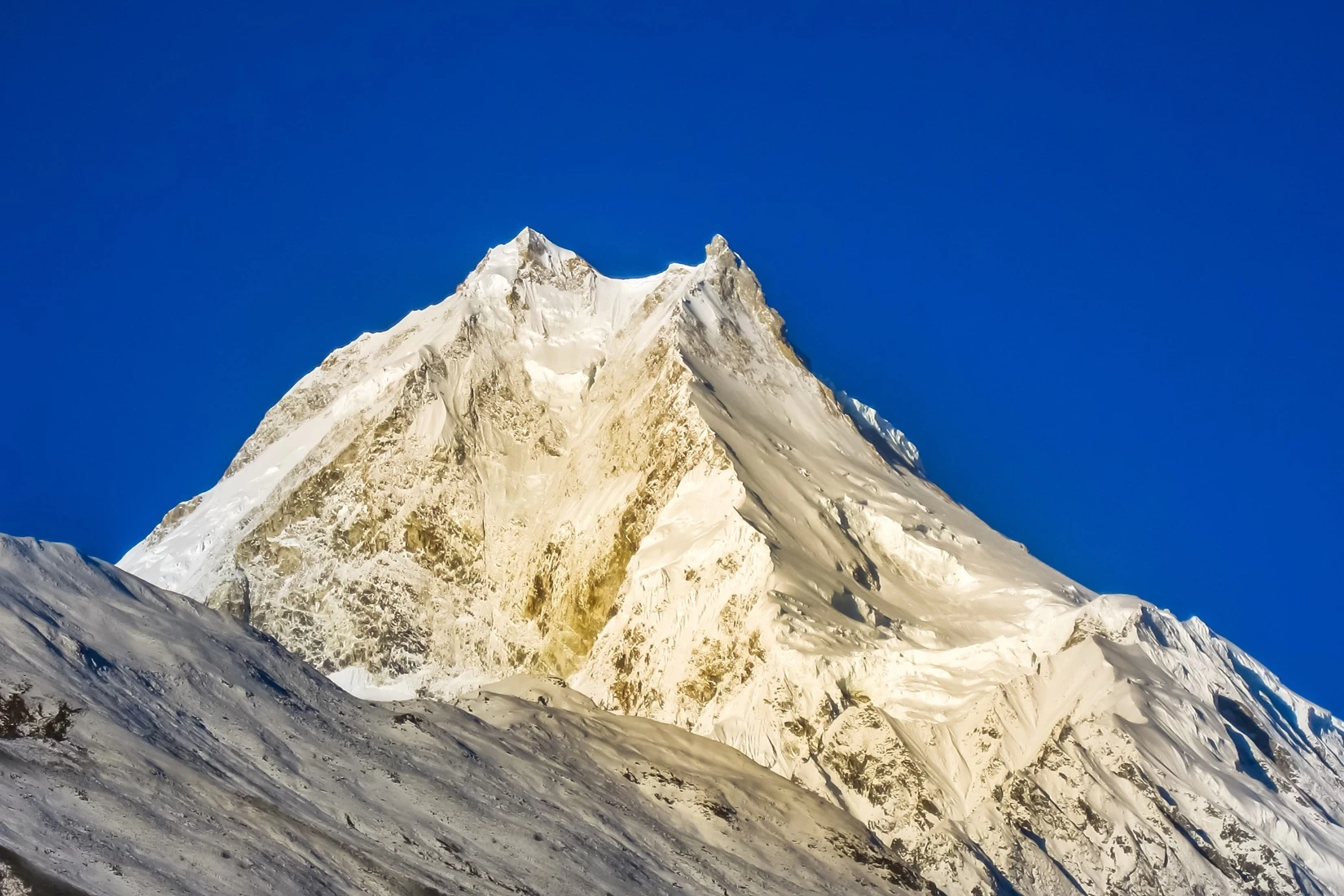
Bounded by Boudha Himal and Himal Chuli to the west, Ganesh Himal to the south, and Siring Himal to the north, the valley stretches from 1,905 meters to 5,093 meters in altitude. The trail leads through lush subtropical forests, deep gorges, sacred meditation caves, intricately carved mani walls, and dramatic suspension bridges before reaching high mountain deserts. Along the way, trekkers encounter both the lower Tsum settlements, such as Chumling, home to the monasteries of Pango Gumba, Gurwa Gumba, and Mani Dhungyr, and the upper Tsum region, including Chhekampar and Chhokangparo, where spectacular views of Manaslu (8,163m), Himal Chuli (7,893m), and Ganesh Himal dominate the skyline.
Cultural highlights include visits to Mu Gompa, the valley’s northernmost monastery, Rachen Gompa, and the sacred Milarepa meditation cave. If your trek coincides with local celebrations like Lhosar, you’ll witness the valley come alive with color, music, and traditional dances. Wildlife lovers may also spot blue sheep, Himalayan thar, and even the elusive snow leopard.
Your adventure begins with a scenic drive from Kathmandu to Soti Khola, passing through terraced hillsides, riverside villages, and forests of rhododendron and pine. Following the Budhi Gandaki River upstream, you’ll trek to Machha Khola, then onward to Jagat, the gateway to the Manaslu region. From here, you’ll head toward Lokpa, marking the official entrance to Tsum Valley.
The trail continues north to Chumling in lower Tsum before ascending through Domje, the valley’s largest village, towards Chhokangparo in upper Tsum. As you gain altitude, the green hills give way to open alpine terrain. From Chhokangparo, the route leads to Nile and finally to Mu Gompa, the highest point of the trek, surrounded by sweeping Himalayan panoramas.
The return journey follows a slightly different path, allowing you to explore Rachen Gompa before rejoining the main route at Chumling. From there, you’ll retrace your steps through Lokpa, Jagat, and Lapu Bensi before concluding in Soti Khola. A local bus will then take you back to Kathmandu, where your Tsum Valley adventure comes to an end.
The Tsum Valley Trek is a perfect blend of natural beauty, cultural depth, and spiritual serenity, without the need for any internal flights. Green Valley Nepal Treks and Research Hub offers a thoughtfully designed itinerary, with the flexibility to customize it based on your time, budget, and fitness level. Bookings for 2025 and 2026 are now open, ensuring you can experience one of Nepal’s most unique and least-trodden Himalayan journeys.
For detailed pricing and customization options, feel free to get in touch with us.
The Tsum Valley Trek is a remote, off-the-beaten-path journey — expect simple and rustic teahouses:
Meals are freshly prepared in local teahouses using locally sourced ingredients.
Typical menu items include:
Breakfast – Tibetan bread, porridge, pancakes, muesli, chapati, boiled eggs, omelets, tea, coffee.
Lunch/Dinner – Dal Bhat (rice, lentil soup, vegetables), momos, thukpa, chowmein, macaroni, spaghetti, fried rice, soups, potato dishes, and seasonal vegetables.
Hot Drinks – Ginger tea, milk tea, lemon tea, instant coffee.
The Tsum Valley is deeply spiritual, with Tibetan Buddhist traditions embedded in daily life. Respect is key:
Notable cultural sites include Mu Gompa, Rachen Gompa, and Milarepa’s Cave. You may witness daily pujas (prayer ceremonies) and festivals such as Lhosar.
Tsum Valley is a restricted area; solo trekking is not allowed. Minimum group size: 2 trekkers + licensed guide.
Required Permits:
All permits must be arranged through a registered trekking agency.
Grading: Moderate to challenging.
| # | Activity | Overnight | Distance / Time | Meals |
|---|---|---|---|---|
| Day 1 | Arrival in Kathmandu (1,400 m) | 3 Star Hotel | Welcome Dinner | |
| Day 02 | Permit Preparation & Kathmandu Exploration | 3 Star Hotel | BB Plan | |
| Day 03 | Drive from Kathmandu to Arughat and Machha Khola (860 m) | Tea House | Breakfast + Lunch + Dinner | |
| Day 04 | Trek from Machha Khola to Jagat (1,340 m) | Tea House | 6-7 Hours | Breakfast + Lunch + Dinner |
| Day 05 | Trek from Jagat to Lokpa (2,240 m) | Tea House | 5-6 Hours | Breakfast + Lunch + Dinner |
| Day 06 | Trek from Lokpa to Chumling (2,386 m) | Tea House | 4-5 Hours | Breakfast + Lunch + Dinner |
| Day 07 | Trek from Chumling to Chhokang Paro (Rachen Gompa) (3,240 m) | Tea House | 6-7 Hours | Breakfast + Lunch + Dinner |
| Day 08 | Trek from Rachen Gompa to Nile (3,361 m) and Mu Gompa (3,700 m) – Return to Nile | Hotel/Lodge | Tea House / 6-7 Hours | Breakfast + Lunch + Dinner |
| Day 09 | Trek from Nile to Gumba Lungdang (3,200 m) | Tea House | 7-8 Hours | Breakfast + Lunch + Dinner |
| Day 10 | Hike to Ganesh Himal Base Camp (4,200 m) – Return to Gumba Lungdang | Tea House | 7-8 Hours | Breakfast + Lunch + Dinner |
| Day 11 | Trek from Gumba Lungdang to Lokpa (2,240 m) | Tea House | 6-7 Hours | Breakfast + Lunch + Dinner |
| Day 12 | Trek from Lokpa to Jagat (1,340 m) | Tea House | 6-7 Hours | Breakfast + Lunch + Dinner |
| Day 13 | Trek from Jagat to Machha Khola (860 m) | Tea House | 6-7 Hours | Breakfast + Lunch + Dinner |
| Day 14 | Drive from Machha Khola to Kathmandu | 3 Star Hotel | 7-8 Jour | Breakfast + Dinner |
| Day 15 | Final Departure | 3 Star Hotel | 30 Minute | Breakfast |
The trek to the Tsum Valley begins when you arrive at Kathmandu airport, where our team representative will welcome you with a warm greeting. Then you will be taken to the hotel. You can rest at your hotel or stroll around Thamel and do some last-minute shopping, and take in the sights.
Later in the evening, we will have a short debriefing session with a warm and delicious welcome dinner. This will be a chance to receive preparatory advice and a summary of your upcoming adventure, and enjoy the local cuisine.
This day, you meet your guide, explore the local markets, and finalize trekking permits (RAP, MCAP, ACAP). You can utilize the last-minute shopping or an optional city tour of UNESCO World Heritage Sites.
After an early breakfast, you will set off on a scenic drive from Kathmandu toward Arughat. The journey begins by public bus (or an optional private jeep) and continues from Arughat by a shared jeep to Machha Khola. The route takes you through lush terraced fields, charming Gurung and Magar villages, and forested hillsides. On clear days, you’ll catch glimpses of the Langtang Himal, Annapurna, Manaslu, and Ganesh Himal ranges.
Along the way, you’ll pass cascading waterfalls, fertile farmland, and traditional hillside communities. Crossing a suspension bridge into a sal forest, you follow the Budhi Gandaki River and ascend a short, steep slope. Passing the rice fields of Labubesi, the trail leads you to Machha Khola, a riverside village where you will rest for the night and prepare for the trek ahead.
Today’s trek follows the Budhi Gandaki River along a series of gentle and steep sections. Leaving Machha Khola, you cross the Tharo Khola to reach Khorlabesi, a small Gurung village. From here, a short climb brings you to Tatopani, known for its natural hot springs—an ideal spot for a brief rest.
The trail then leads through a forested area to Doban and on toward Yaruphant. Crossing the Yaru River, you’ll walk over the Cantilever Bridge in Yaru Bagar, a feat of Swiss engineering built after the 2015 earthquake. The route continues across the Budhi Gandaki’s western bank before ascending and then descending toward Jagat, the gateway to the Manaslu Conservation Area. Here, you’ll register your Tsum Valley trekking permits and settle into your teahouse.
Leaving Jagat, you climb toward Salleri, where the sweeping views of Mount Shringi provide a perfect photo stop. Descending to Sirdibas, a traditional Buddhist village, you then cross Nepal’s longest suspension bridge. The path leads gradually upward toward Philim, a large Gurung settlement.
After passing through Ekle Bhatti and a dense pine forest, you enter a beautiful canyon where the trail splits. Taking the right-hand path toward Tsum Valley, you continue your climb to Lokpa, the first village in the valley. This small settlement offers a peaceful setting to end the day.
Today’s trail winds quietly through dense rhododendron and pine forests, offering a peaceful start to the day. After several gentle ascents and descents, you’ll cross a small suspension bridge and follow the route toward Ripchet and Chumling. Passing a stone mani wall, the trail leads to the village of Chumling, the gateway to Lower Tsum.
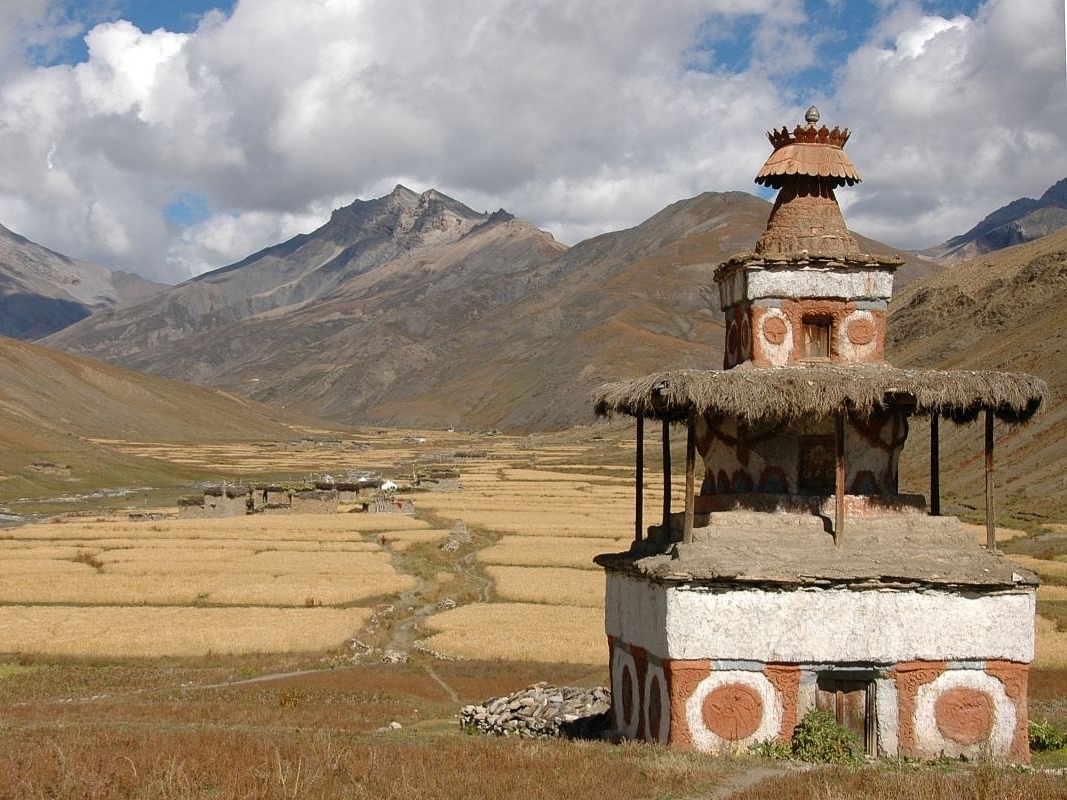
From the monastery above the village, you can enjoy striking views of Ganesh Himal. Chumling is also home to several ancient monasteries, including Gurwa Gumba, Mani Dhungyur, and Panago Gumba. A large chorten stands in the middle of the fields, adding to the charm of the valley’s scenery.
Following the Syar River, the trail passes through Domje before gradually climbing toward Chhokang Paro. The route offers excellent views of Ganesh Himal and Himal Chuli, making for a scenic day’s walk. By afternoon, you will reach Rachen Gompa, a significant monastery in the upper valley and a peaceful place to spend the night.
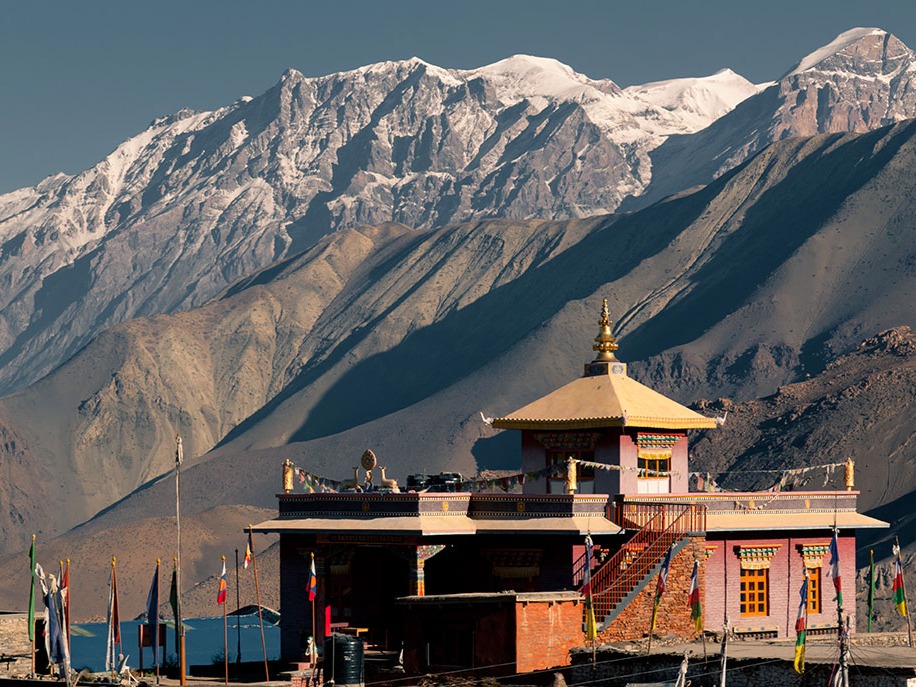
After breakfast, you’ll trek to the Nile, a village close to the Tibetan border. Here, you’ll leave your heavier bags and continue on a day hike to Mu Gompa, the largest and highest monastery in the Tsum Valley. The trail climbs gradually through a broad, bowl-shaped valley surrounded by snow-capped mountains.
Mu Gompa offers a glimpse into the remote spiritual life of the valley. As there are no teahouses here, you will return to the Nile after your visit.
Retracing your steps, you’ll pass Rachen Gompa and descend toward Chhokang Paro and Domje. From Domje, the trail heads east through a forest of pine, juniper, and rhododendron, with mani walls and prayer flags marking the way.
The final stretch is a steady climb through silver pine forest to Gumba Lungdang, a monastery home to around forty nuns. The monastery is renowned for its powerful evening puja, held from 6:00 to 7:30 pm. From here, the views of the surrounding mountains are stunning.
Today’s hike is one of the most challenging yet rewarding parts of the Tsum Valley trek. Setting off from Gumba Lungdang, the trail climbs steadily through smaller valleys with dramatic views along the way. The path to Ganesh Himal Base Camp is rarely traveled, so it may feel less defined, but your guide will expertly lead the way.
After about four hours of ascent, you will arrive at the base camp, where breathtaking panoramas of Ganesh Himal and surrounding peaks await. After spending time taking in the views, you’ll retrace your steps back to Gumba Lungdang for the night.
From Gumba Lungdang, the trail descends toward Domje before crossing the Laudang Khola. You’ll take the higher trail south toward Ripchet, passing through dense forests and crossing suspension bridges along the way. The route then drops to Batti Ghumlong before a short uphill section brings you back to Lokpa.
Leaving Lokpa, you descend through forest trails toward the Budhi Gandaki River. The path offers beautiful mountain views and a relatively gentle walk compared to earlier days. You’ll cross multiple suspension bridges and pass through the villages of Sirdibas and Salleri before arriving in Jagat.
Following the river downstream, you’ll pass familiar villages from the early stages of the trek, including Yaruphant, Dobhan, Tatopani, and Khorlabesi. The trail descends gradually, with occasional climbs and several suspension bridge crossings, before reaching Machha Khola for your overnight stay.
After breakfast, you’ll begin your return journey to Kathmandu. The drive starts from Machha Khola to Arughat Bazaar and continues through scenic hills and river valleys. Traveling by public bus takes about 7–8 hours, with the option to upgrade to a private jeep for a more comfortable ride.
Upon arrival in Kathmandu, our representative will transfer you to your hotel. In the evening, you’ll enjoy a farewell dinner to celebrate the successful completion of your Tsum Valley trekking adventure.
We will transfer you to Tribhuvan International Airport approximately three hours before your flight. If you have extra time, you may choose to extend your stay with additional treks or cultural tours in Nepal.
To book the Tsum Valley Trek, simply contact Gateway Adventure Treks and Expedition via our website or customer service for availability and detailed information. A 10% deposit is required at the time of booking to secure your spot, with the remaining balance due before the tour starts. Payments can be made through secure methods such as bank transfer, credit card, or online platforms. For cancellations or changes, Gateway Adventure Treks and Expedition provides clear guidelines, with partial refunds available depending on the timing. Be sure to review the booking terms and conditions to ensure a smooth process.
Though we recommend booking in advance to secure your spot on the tour, Gateway Adventure Treks and Expeditions accepts the last- minute bookings. For these bookings, full payment (100% of the tour price) is required at least 24 hours prior to departure. Please note that while we strive to offer flexibility, we cannot be responsible for any delays or unforeseen issues such as weather conditions or unavailable accommodations.
For last- minute bookings or inquiries, contact us at +977- 9851360663 or email us at info@gatewaytreks.com
Experience local culture
Best Price Guaranteed
Well-crafted itinerary
Free Sightseeing & Hotel

gatewaytreks@gmail.com








© Copyright Gateway Adventure Treks and Expedition Pvt. Ltd., 2026 All Rights Reserved